Speech & Communication
Speech Therapy for Autism: How It Helps and What to Expect
How speech therapy for autism works: what SLPs do, echolalia, AAC, what sessions look like, how it fits with ABA, and simple activities to try at home.
Westminster & Orange County, CA
Helping children develop verbal and non-verbal communication so they can express themselves.
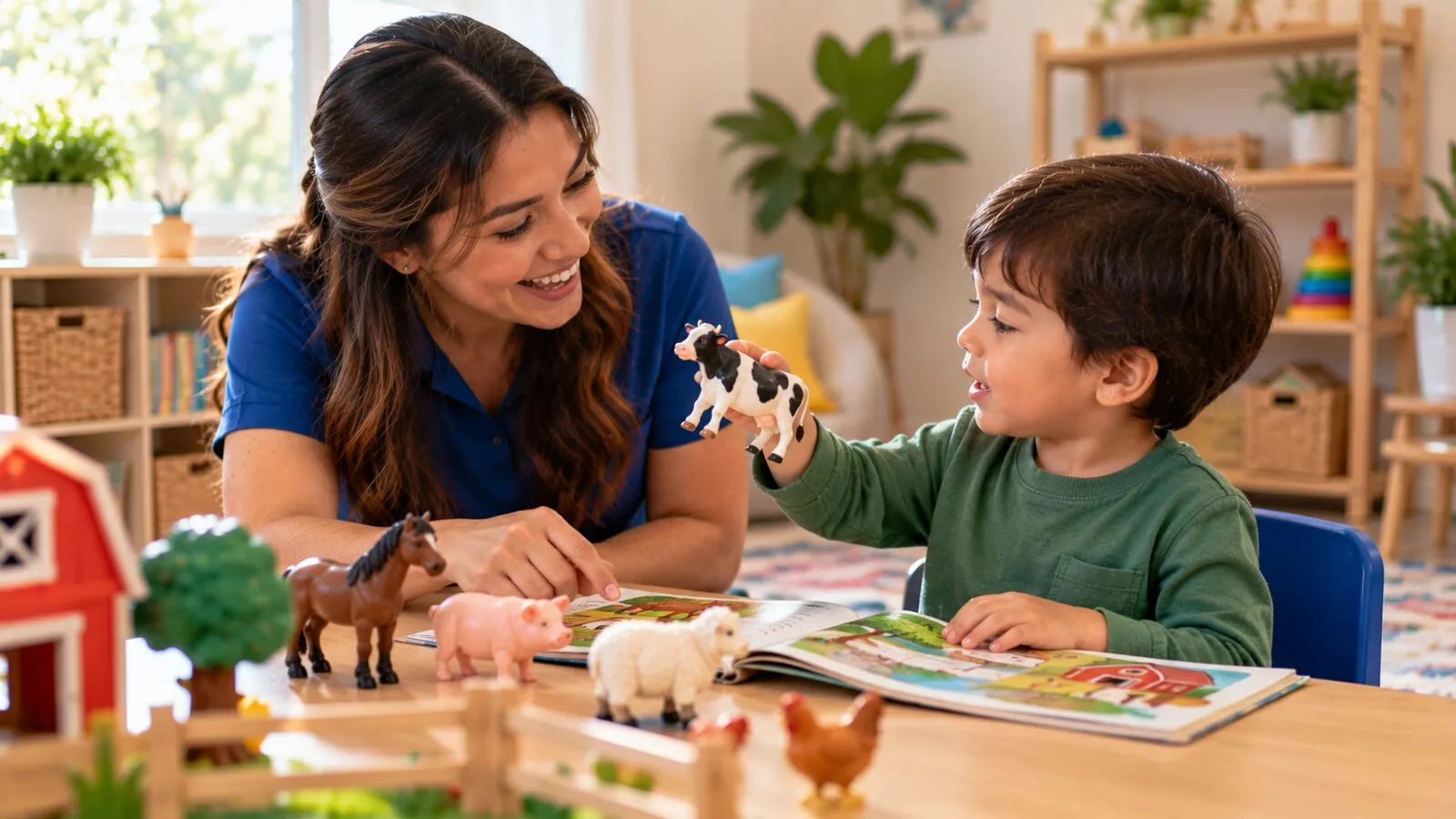
Communication is more than talking. It is how your child tells you they are hungry, shares something exciting, asks for help or says “no.” Speech and language therapy helps children develop verbal and non-verbal communication so they can express themselves and be understood.
According to the American Speech-Language-Hearing Association (ASHA), speech-language pathologists work with autistic children to assess communication and social skills, teach new skills, and recommend and teach augmentative and alternative communication (AAC) when it helps.
Every child communicates differently. Some children speak in full sentences but find conversation hard. Others use a few words, repeat phrases they have heard, or do not use spoken words yet. Speech therapy meets your child where they are.
If your child is not speaking yet, AAC can give them a way to communicate now. Many parents worry that AAC will stop their child from learning to talk. ASHA’s guidance is that AAC does not prevent speech development. Our article on AAC and autism explains how it works and how families can get started.
Many of our families also receive ABA therapy. When speech and ABA teams share goals, your child gets consistent practice across sessions — for example, using the same words or AAC symbols to request a favorite toy during both. We coordinate so communication goals are reinforced rather than competing.
Some of the most powerful communication practice happens during everyday moments. You will get simple ideas to use during meals, bath time, play and car rides. For a head start, read our guide to speech therapy for autism, which includes activities you can try at home.
Talk to us about your child’s communication, and we will explain the next steps, including insurance. Request a free consultation or call (714) 709-7819.
Parent-friendly guides from our team.
How speech therapy for autism works: what SLPs do, echolalia, AAC, what sessions look like, how it fits with ABA, and simple activities to try at home.

What AAC is for autistic children, from picture boards to speech apps, why it does not stop speech, how modeling works, and how families can get started.
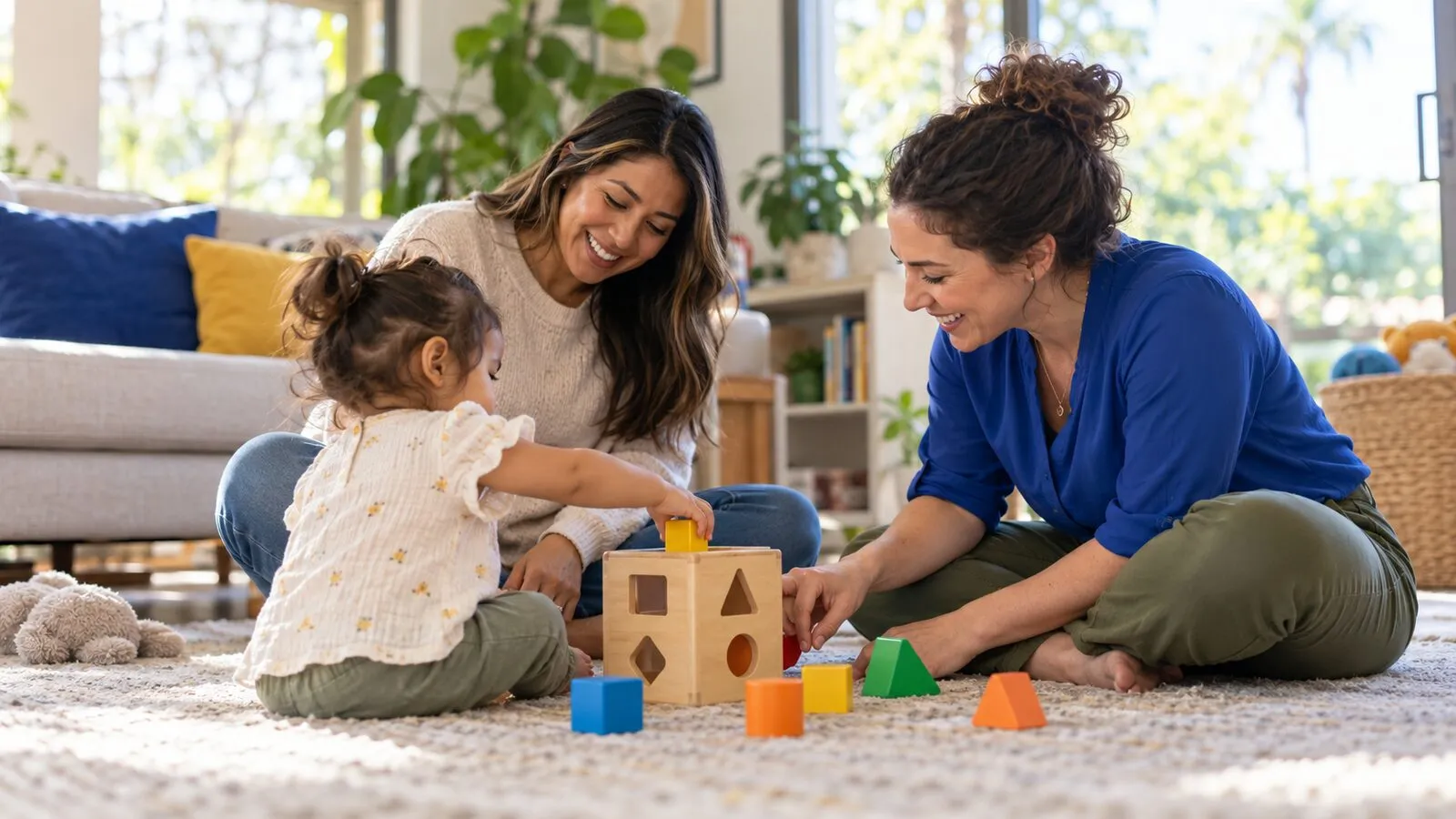
What early intervention for autism includes, why starting early can help, and how California Early Start works for babies and toddlers from birth to age 3.
Individualized, play-based Applied Behavior Analysis designed by BCBAs around your child and family goals.
Building independence through fine motor development, sensory support and self-care skills.
Yes. Speech therapy supports all forms of communication, including gestures, pictures and speech-generating devices (AAC). Communication can grow in many ways.
According to the American Speech-Language-Hearing Association, AAC does not stop children from developing speech. It gives your child a way to communicate now.
When both teams share goals and strategies, your child gets consistent practice. We coordinate so communication goals are reinforced across sessions.
Tell us about your child and your goals. We’ll answer your questions, explain the next steps and help you check your insurance coverage. No pressure, no obligation.